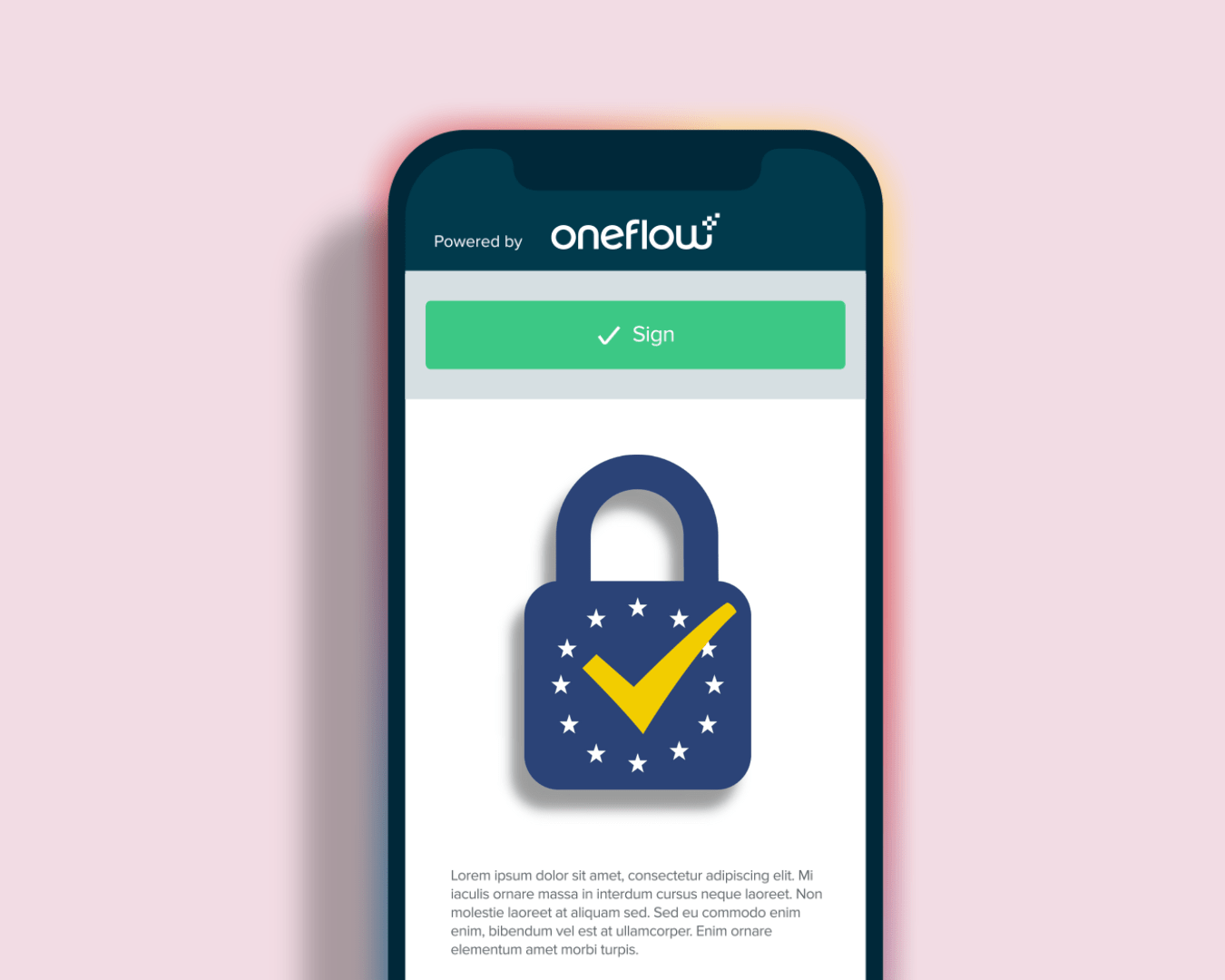
Here’s what UK companies actually want from contract management systems, according to experts: “Focus on AI-driven contract analytics, regulatory compliance automation, and integration with enterprise resource planning (ERP) systems. The UK’s emphasis on data privacy and GDPR compliance influences product development and deployment strategies.”
That focus is no accident. UK organisations are operating in an increasingly complex regulatory environment—from post-Brexit divergence and Making Tax Digital requirements to the ongoing risk and cost of GDPR non-compliance. In this context, contract management is no longer an administrative function; it’s a business-critical infrastructure.
This guide walks through everything you need to know: from the fundamentals and compliance considerations to the platforms worth evaluating and the practical ways AI is reshaping how contracts are created, analysed and enforced.
See also: Contract creation: The only guide you need
What is contract management?
Contract management includes everything from contract creation through execution, performance monitoring, and eventual renewal or termination. It covers everything from drafting initial terms to ensuring all parties involved deliver on their contractual obligations.
Worth noting: contract management and contract lifecycle management (CLM) are related but not the same. Contract lifecycle management takes a broader view, encompassing the entire contract lifecycle from initial request through terms negotiation, execution, and beyond to archiving or re-negotiation.
This distinction matters because compliance isn’t a one-time event. The UK GDPR, the Bribery Act, and sector-specific regulations demand ongoing monitoring throughout a contract’s life.
Oneflow approaches this as a proposal system and contract management platform built for the quote-to-cash process. Rather than static PDFs that lock data away, Oneflow creates dynamic, interactive contracts that sync directly with your CRM—keeping pricing, terms and invoicing details aligned across sales, finance and operations.
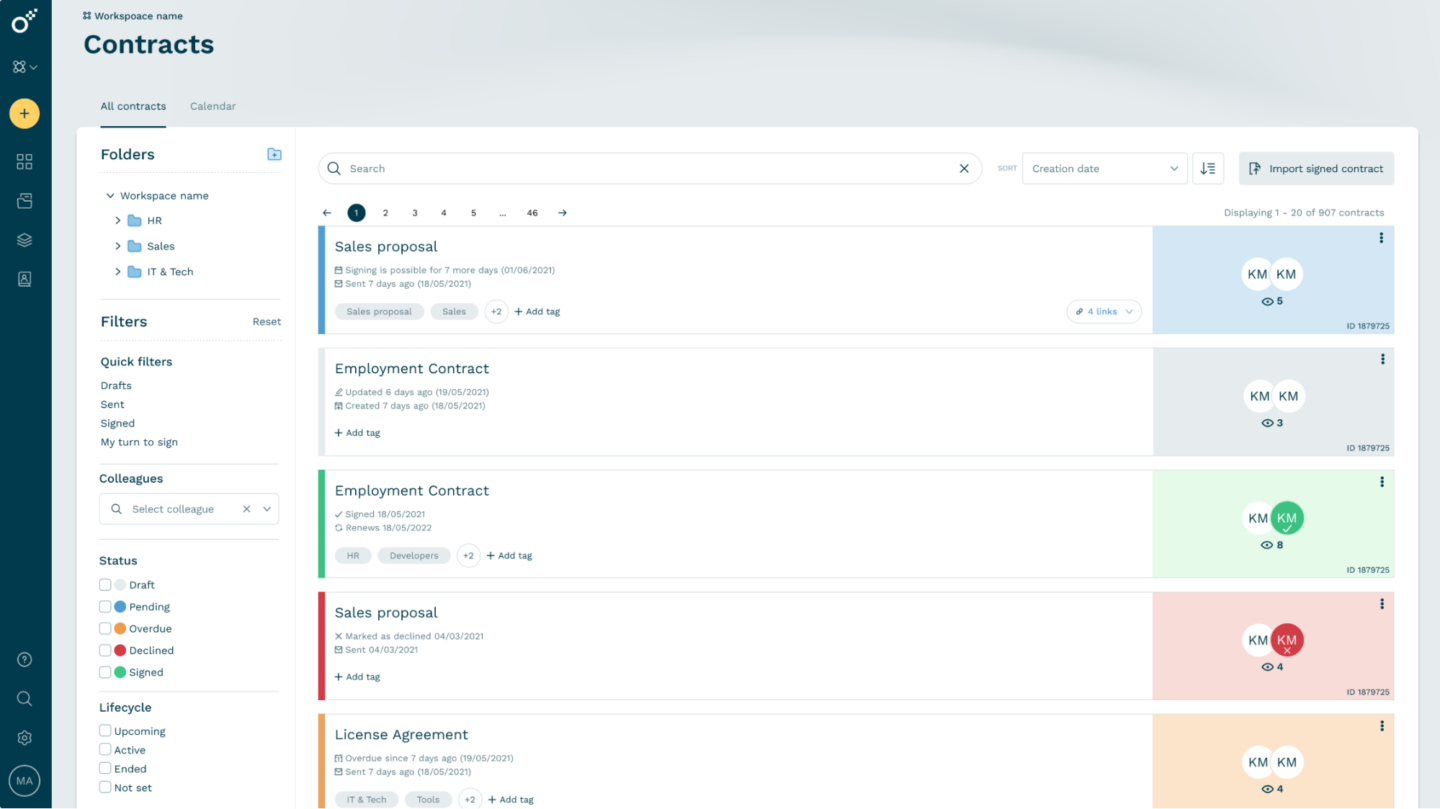
Effective contract management benefits
Getting your contract management process right delivers measurable returns across a range of areas:
- Regulatory compliance: UK businesses face a dense web of requirements—GDPR, the Data Protection Act 2018, sector regulations, and increasingly, environmental and sustainability reporting obligations. A structured approach to managing contracts ensures you can demonstrate compliance when the ICO comes knocking.
- Risk management: 80% of executives expect AI in contracting to impact their bottom line, largely through better risk identification and reduced manual errors. Poor contract visibility exposes many organisations to missed obligations, auto-renewals on unfavourable terms, and liability limits that don’t match actual exposure.
- Cost savings and revenue protection: Lost revenue from poorly tracked obligations adds up fast. Effective contract management helps businesses reclaim value that would otherwise slip through the cracks, turning missed opportunities into captured value.
- Relationship management: Whether it’s a supplier or a partnership agreement, when all parties can clearly see their obligations and performance, relationships run smoothly. Disputes decrease, and trust builds.
- Standardisation: Consistent templates and approval workflows make scaling easier, onboarding faster, and the customer experience more professional and coherent. This also reduces the training burden when bringing new team members up to speed.
One of Oneflow’s customers, Tele2, summed it up well: “In a short time, we have transitioned to create, send, and sign all contracts with Oneflow. The change has reduced admin work, increased the pace of our business, and most importantly, the response from our customers has been very positive.”
Get a demo to find out what Oneflow can do for you.
The three stages of contract management
Every contract moves through distinct phases, each with its own requirements and risks. Understanding these stages is fundamental to the contract management role in any organisation.
1. Pre-sign phase
Before any signatures happen, you need solid foundations:
- GDPR impact assessments: If your contract involves processing personal data (and most do), GDPR requires you to understand and document the implications. For high-risk processing, a Data Protection Impact Assessment is mandatory.
- Collaboration and negotiation: Getting agreements across the line requires input from multiple stakeholders—legal, finance, the business owner and external parties. Managing this through email attachments creates chaos and manual work that drains resources. Modern contract tools enable in-file collaboration where everyone can see changes, comments and approval status in real time, without search or version control nightmares.
- Templates and standardisation: Contract creation shouldn’t start from scratch each time. Pre-approved templates with standardised clauses reduce legal risk, speed up the process, and ensure consistency across your organisation when generating new contracts.
- AI-assisted drafting: “AI-enabled risk and editing solutions will help procurement expedite business decision making, decreasing time spent on the contracting process and increasing capacity for additional tasks,” notes Kaitlynn Sommers, Senior Director Analyst at Gartner. AI-powered writing assistance can suggest clauses, flag potential issues, and ensure compliance with your organisation’s playbook.
2. Sign phase
The execution phase is where UK-specific regulations become particularly relevant:
- Regulated electronic signatures: The Electronic Communications Act 2000 provides the legal foundation for electronic signatures in the UK. An electronic signature is considered legally valid provided there is clear evidence of the signer’s intention to authenticate the document, and other statutory requirements are met.
- Legal validity considerations: Following Brexit, the UK retained the eIDAS framework through the UK eIDAS Regulation. The rules and case law governing electronic signatures are consistent across the country, adopting a permissive approach to electronic records and signatures. Most commercial contracts can be signed electronically without issue.
However, certain documents still require wet-ink signatures or additional formalities—deeds executed by individuals, some real property transactions, and specific regulated instruments. When in doubt, check with legal counsel.
Best practices for UK businesses: Ensure your digital signature solution captures adequate evidence: timestamps, IP addresses and clear audit trails. This protects you if the validity of a signature is ever challenged and helps all parties involved maintain confidence in the agreement.
3. Post-sign phase
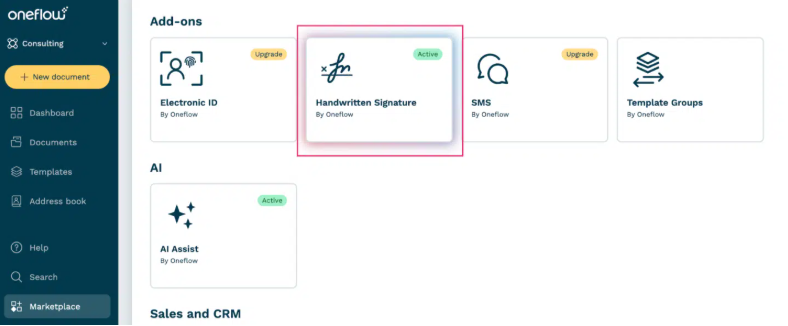
Signing isn’t the end—it’s often just the beginning of the real contract work, which includes:
- Ongoing compliance monitoring: Contracts contain obligations that extend months or years into the future. Service delivery commitments, reporting requirements, renewal notice periods—all need tracking and management. Assign clear responsibilities to ensure nothing falls through the cracks.
- ICO reporting requirements: Under UK GDPR Article 30, organisations must maintain records of processing activities. If you are a controller for the personal data you process, you need to document the purposes of the processing, the categories of individuals, and the categories of personal data you process. Your contract management system should support this documentation.
- Contract storage regulations: GDPR compliance means retaining contracts and related documentation in a searchable, accessible format—not buried in email attachments or scattered across shared drives. You also need to be able to dispose of the stored information when you no longer have a legal claim to it.
- Renewal, archiving and termination procedures: Automated audit trails and proactive reminders ensure notice periods aren’t missed. Whether you’re planning to renew, renegotiate or terminate, having the right information at the right time gives you control over the outcome throughout the contract lifecycle.
Oneflow automates all three of these stages, helping you streamline your entire contract management process from drafting to sending, signing and storage—while always staying compliant.
Leading contract management platforms for UK businesses

Here’s a brief overview of five contract management software options worth considering:
- Oneflow takes a distinctive approach with HTML-based dynamic contracts rather than static PDFs and enterprise-grade security. It enables real-time collaboration, editing and negotiation without version control headaches. Native, bi-directional CRM integrations with Salesforce and HubSpot support the entire workflow. UK businesses particularly benefit from the platform’s compliance features and electronic signature capabilities aligned with UK eIDAS requirements. Plus, it’s hosted in EU data centres. Try it out here.
- Juro is a London-headquartered platform recognised in the UK government’s Future Fifty programme. The platform is highly rated for its speed of implementation and ease of admin, according to G2 reviews. Juro focuses on AI-enabled contract automation with in-browser editing and collaboration.
- Sirion is an AI-native CLM platform available on the UK Government Digital Marketplace. The platform helps legal, procurement, sales and finance teams transform how they store, create and manage contracts at scale. It’s particularly strong for enterprise organisations with complex procurement needs.
- Concord is a contract management tool that emphasises AI-powered features for teams that want business users to handle routine contracts without involving legal in every agreement. Integration with Salesforce, Slack and other tools creates a connected ecosystem.
- Gatekeeper combines contract management with vendor and third-party risk management—particularly relevant for UK organisations navigating supplier compliance requirements. It includes features for perpetual monitoring, audit readiness and AI-assisted contract management tools.
Best practices for managing contracts
Regardless of which platform you choose, these principles always apply:
- Centralise your contract repository: Scattered contracts create risk. Every agreement (sales, procurement, HR, partnerships) should live in one searchable location. This becomes your single source of truth for contract data and supports compliance with GDPR documentation requirements.
- Make standardised templates: Your contract management team should maintain a library of pre-approved templates covering common agreement types. This reduces legal review time, ensures consistency, and minimises the risk of problematic clauses slipping through.
- Automate workflows and approvals: Approval workflows shouldn’t rely on chasing colleagues via email. Automated routing based on contract value, type or risk level keeps things moving while maintaining appropriate controls. This allows your team to save time and focus resources on higher-value activities.
- Set proactive reminders and alerts: Automated alerts for renewals, expiries and key milestones prevent expensive oversights.
- Integrate with existing business systems: Your contracts contain valuable data—pricing, terms, obligations, performance metrics. When that data flows automatically to your CRM, ERP or finance systems, you eliminate manual data entry reduce errors, and save time.
- Monitor, measure and improve: Track metrics that matter: time to signature, contract cycle times, compliance rates, renewal capture. Use actionable insights to identify bottlenecks and continuously refine your process.
Get started with modern contract management software
Contract management has evolved far beyond simple document storage and e-signing. For many businesses managing compliance risks across GDPR, Making Tax Digital, and sector-specific regulations, the right tools and processes are foundational.
According to Gartner, 50% of organisations will support supplier contract negotiations through AI-enabled contract risk analysis and editing tools by 2027. The businesses investing in modern contract management capability programmes will be better positioned to manage large volumes of agreements, mitigate risks, and capture value that others miss.Ready to see how dynamic contracts can work for your organisation? Try Oneflow and experience what happens when your contracts finally start working as hard as you do.
FAQs
What is contract management, and why is it important for UK businesses?
Contract management includes all activities involved in creating, executing, monitoring and renewing agreements. For UK businesses, it’s particularly important because of regulatory requirements like UK GDPR, post-Brexit compliance complexity, and Making Tax Digital obligations. Effective contract management protects organisations from legal risk, ensures contractual obligations are met, and prevents lost revenue from missed renewals or unfavourable auto-renewals.
Think of it as a CRM (Customer Relationship Management) platform – but for your contracts. In fact, good contract manager software can seamlessly integrate into your CRM, allowing you to handle your contracts inside the platform and streamline the management of your contracts even further.
An example of such a tool is Oneflow. It’s an automated contract management system that lets you create, edit, send, negotiate, sign and store your contracts in one place.
What are the consequences of poor contract management for UK organisations?
Poor contract management leads to measurable business harm: missed deadlines, compliance failures that attract regulatory penalties, unnecessary costs from forgotten renewals, and lost revenue from poorly tracked obligations. Beyond the financial impact, disorganised contracts damage supplier and customer relationships, create audit vulnerabilities, and consume time that contract managers could spend on higher-value work.
Sales
- Sales teams use contract management platforms to speed up their sales processes. By automating their contract creation and negotiation and integrated workflows with their CRM, sales teams can spend time selling instead of managing contracts.
HR
- With a contract management platform, HR teams can turn candidates into hires quickly. They can send out automated employment contracts and fully control all employee-related contracts.
Procurement
- Procurement teams get control over and speed up their long contract processes by using a contract management platform. It lets them shorten the time to sign and stay on top of contract lifecycles.
Legal
- Contract management platforms make life easier for legal teams. They ensure that only the latest version of a template is available and that contracts are easily accessible.
How can AI improve contract management in 2026?
AI is transforming contract management across the lifecycle. During drafting, AI-assisted writing suggests compliant clauses and flags potential issues. During negotiation, AI tools can analyse counterparty redlines and recommend responses aligned with your playbook. Post-signature, AI extracts key data, monitors obligations, and predicts risks before they materialise. Gartner predicts that by 2027, half of all procurement contract management will be AI-enabled, marking a fundamental shift in how organisations manage their agreements.
Jump to section

Book a demo of Oneflow
Book a demo of Oneflow
"*" indicates required fields