
The state of the Q2C intelligence gap
The hidden contract data gaps holding back Q2C performance and the steps leading organisations take to fix them.

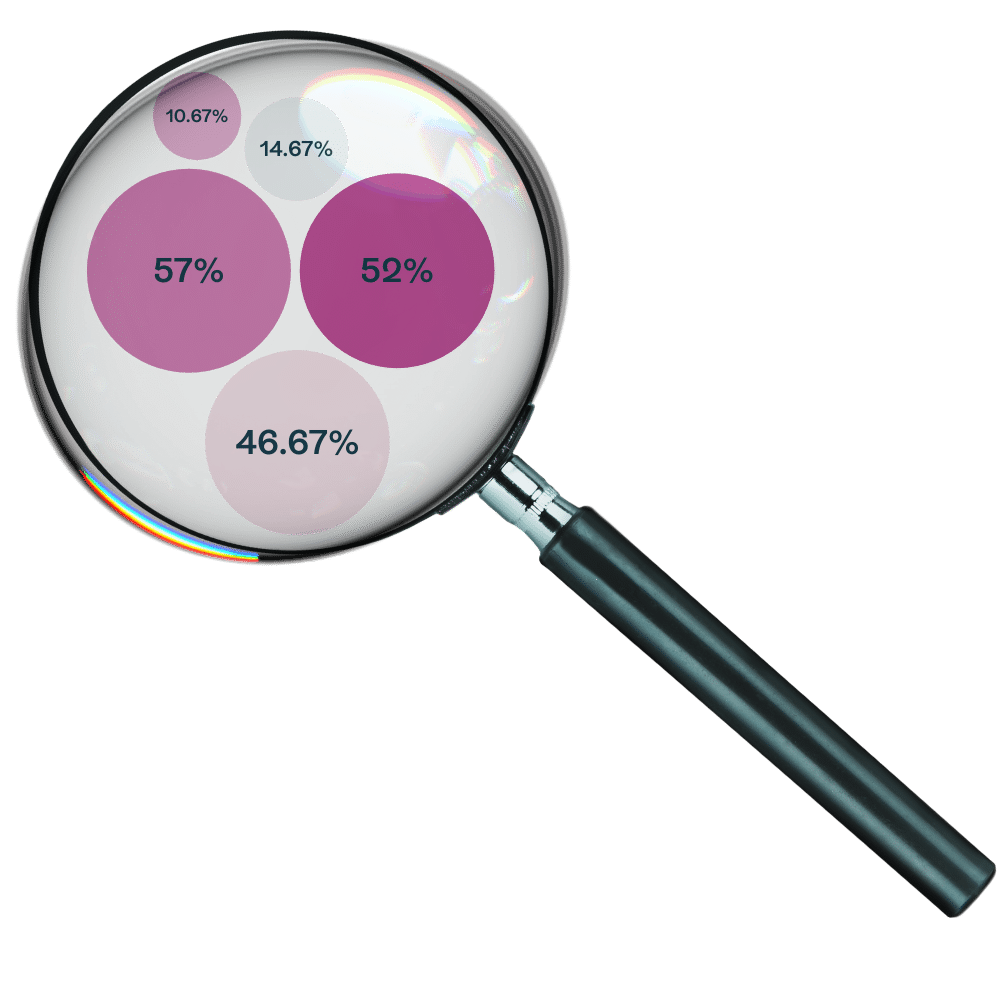
Key findings:
57% manage contracting manually, creating delays, version drift and inconsistent handovers.
10.67% have real-time contract visibility, leaving most teams without a clear view of deal progress.
46.67% cite approvals as the biggest delay, and 37.33% say missing information is a major blocker.
52% say Q2C intelligence gaps impact revenue moderately or severely.
14.67% have fully connected systems with real-time data.

Executive summary
This report explores the most common breakdowns in the quote-to-cash (Q2C) process and how missing data, manual steps and disconnected systems create predictable bottlenecks. Insights from more than 150 sales, finance, legal and operations professionals show consistent gaps in pricing, approvals, contracting and the handover to finance.
Organisations without real-time data flow experience more delays and errors, while those that structure contract data and integrate core systems achieve faster cycles, fewer mistakes and more stable revenue.
The growing pressure of Q2C
The quote-to-cash (Q2C) process is widely recognised as complex because it spans several teams, tools and handovers. When it works well, companies benefit from shorter deal cycles, higher accuracy and more predictable revenue. Many, however, face missing information and manual tasks that slow even simple steps.
One crucial insight from this research is the role of the contract itself. Contracts hold the final pricing, terms, obligations, billing rules and renewal details, making them the most complete source of commercial truth. Yet contract data is often stored in PDFs, emails and scattered systems, making downstream workflows harder to manage. When contract data cannot flow cleanly, visibility drops and errors increase. This report shows where these gaps appear and how companies improve Q2C by treating contracts as structured, connected data.


How manual and fragmented is Q2C today?
How would you describe
your current Q2C process?
Most organisations lack a strong Q2C foundation because contract data and surrounding systems are not fully connected. Only 3.33% report a fully automated process, leaving 96% dependent on manual work and disconnected tools.
A practical first step is reviewing the number of tools involved. Fewer but better-connected systems across ERP, CRM and CLM create a cleaner workflow and make automation and predictable revenue easier to achieve.
Which steps still rely on
manual work?
Manual work is still most common in the financially sensitive steps of Q2C. Pricing (62%), contracting (57%) and configuration (35%) rely heavily on manual input.
These steps define revenue, margins and customer commitments. While judgment matters, manual handling increases exposure to financial risk.
How much administrative
time is spent per deal on
contract-related tasks?
More than 60% spend at least an hour per deal on
contract-related admin.
This workload arises because contract data
is scattered across tools and requires
repeated manual verification.
Reducing this burden depends on structured
data and integrated systems.

How well does Q2C data flow across systems?
How well do your systems connect and share data?
Real-time Q2C data is rare. While 46.67%
believe their systems are “well connected,”
only 14.67% have true real-time integration
across CRM, CLM, ERP and CPQ.
Even organisations that feel connected often
discover hidden gaps, such as contract updates
that never reach CRM or ERP, causing missed
renewals, inaccurate forecasts or delayed
revenue recognition.
Where do you experience
the biggest information
gaps across your
Q2C process?
The largest information gaps appear where
clarity is most critical: pricing (31%),
approvals (45%), contract status (38%) and
the handover to finance (34%). These gaps
show that the organisation’s financial source
of truth is not moving across teams.
Structuring contract data and improving
system connections is essential.
How easy is it to check the real-time status of a contract?
Only 10.67% can check contract status in real time. Many operate in a “sometimes visible” middle ground where data appears inconsistently. This undermines forecasting, slows billing and forces teams to work from outdated information.
Solving this requires structured contract data and real-time connections across CLM, CRM and ERP.

How common are internal delays and errors in the Q2C process?
What is your average time from quote to signed contract?
More than 60% complete Q2C in 4–14 days, which is normal for B2B organisations. The risk is not how long it takes — it is how unpredictable the timeline becomes when pricing, approvals or contract status are unclear. Even small delays can shift revenue into the next fiscal period.
What most often causes
delays in you Q2C workflow?
Most delays stem from internal issues, not customer behaviour. Missing information
(37.33%), approval bottlenecks (46.67%),
version drift and incomplete handovers
slow revenue long before invoicing.
The core issue is not people, it is inconsistent
contract data and disconnected systems.
How often does contract-related errors occur?
Contract errors are common. Over 63% experience them at least sometimes. Because contracts define revenue and obligations, errors directly affect billing, compliance and financial accuracy.

Revenue impact of Q2C intelligence gaps
Only 6.67% report no revenue impact, while over half say the effect is moderate or severe. Gaps in contract data, approvals, visibility and system integration disrupt revenue long before invoicing begins and weaken forecasting.

How leading teams close
the Q2C intelligence gap
Across 150 open responses, teams consistently ask for:

Faster and clearer approvals

Fewer manual steps

More structured contract processes

Better system integration

One platform and one source of truth

How the Q2C intelligence gap affects business
The data shows that internal information gaps create friction across Q2C. Manual pricing (62%), manual contracting (57%) and limited visibility (10.67%) slow cycles and reduce predictability. More than 60% report contract errors, and nearly a third have weak finance handovers. Organisations that structure contract data and connect their core systems achieve smoother processes and more reliable financial outcomes.
How leading organisations reduce Q2C friction

Billing and renewal automation
Automate billing and renewals to fix incomplete handovers (31%).

Deal and contract visibility
Improve visibility with dashboards.
The modern Q2C intelligence stack

CRM
Starting point for products, pricing and pipeline

CLM
Structured contract terms and approval workflows

ERP
Invoicing, payments and revenue recognition

Automation
Connects updates and handovers

AI
Risk detection, document analysis and forecasting support

Five recommended steps to close the gap
1. Structure contract data and make it accessible across systems.
2. Automate approvals to remove delays.
3. Connect CRM, CPQ, CLM and ERP.
4. Standardise templates and terms.
5. Improve real-time visibility across Q2C.

Conclusion
Most Q2C challenges stem from internal information gaps rather than external delays. Manual work, limited visibility and disconnected systems slow deals and make revenue unpredictable. By structuring contract data and connecting key systems, organisations can reduce errors, speed up revenue processes and gain far more reliable financial insight.




/